Electrical Panel Upgrade Cost Vancouver: 2026 Guide
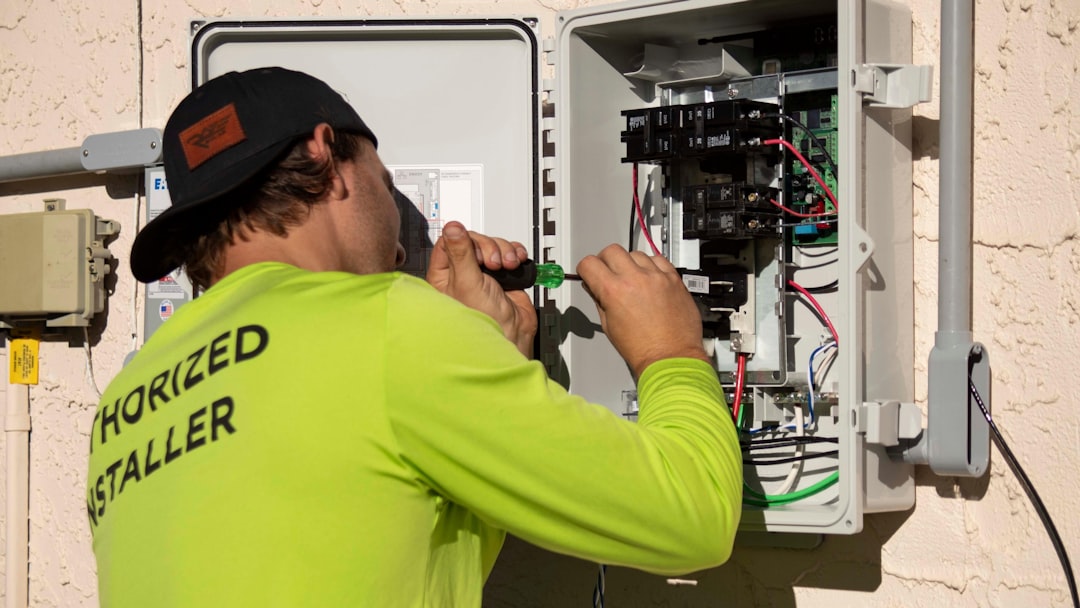
A current RenoFiz example for a complete 100-to-200-amp service and panel upgrade in Abbotsford totalled $7,200, with up to $1,650 in possible extras; whether you need 100 amps, 200 amps, or just a panel swap changes the project and the price.
Have a home project?
Get a free estimate in minutes, then decide if you want to connect with a pro — we're here to help from the estimate to finished job.
Adding an EV charger, heat pump, hot tub, suite, or larger appliance can make an older electrical panel feel like the first problem to solve. But replacing the panel is not always the same as upgrading the home's full electrical service, and a 200-amp upgrade is not automatically required.
That distinction matters because it can move the project from a straightforward panel change to coordinated work involving the utility connection, meter base, service conductors, grounding, permits, inspections, and repairs around the installation.
Quick answer: what can a 200-amp upgrade cost?
A current RenoFiz example for a complete 100-to-200-amp service and panel upgrade in Abbotsford totalled $7,200 CAD for the planned work. The estimate also identified up to $1,650 in possible additional work if wall damage or inspector-required AFCI breakers were discovered.
That example is a useful Lower Mainland planning reference, not a fixed Vancouver price. It involved overhead service, a new mast and meter base, a new main panel in the garage, a roughly 10-foot run from the meter to the panel, new grounding and bonding, utility coordination, and permit and inspection coordination. A Vancouver home with underground service, a longer wire route, difficult access, or utility infrastructure changes can be a different project.
Before budgeting, confirm which of these jobs you actually need:
- Panel replacement: replacing the breaker panel, sometimes at the same amperage.
- Service upgrade: increasing the capacity delivered to the home, often from 100 amps to 200 amps.
- Load-management solution: adding equipment that controls when large electrical loads can operate, so the existing service may remain adequate.
Do you actually need 200 amps?
Not every electrification project requires a service upgrade. BC Hydro advises homeowners to start with a professional load calculation. An electrician can use the home's electrical demand and planned additions to determine how much capacity remains. BC Hydro recommends the meter-data method when available because it uses the home's actual consumption history.
You can download 12 months of hourly consumption data from MyHydro and share it with the electrician. If the calculation shows enough spare capacity, the planned equipment may be added without increasing the service size. If capacity is tight, ask about power-management devices, removing unused loads, or combining equipment that does not need to run simultaneously.
This step protects you from paying for a larger service before proving it is necessary. It also helps the electrician choose between 100, 200, 320, or 400 amps without oversizing the system.
What the $7,200 RenoFiz example included
The Abbotsford example separates labour and materials instead of presenting one unexplained total:
| Work item | Estimated cost |
|---|---|
| Utility coordination and scheduling | $270 |
| Remove the existing service equipment | $405 |
| New 200A overhead mast and meter base | $1,760 |
| Remove the existing main panel | $270 |
| Install the new 200A main panel | $2,575 |
| New service conductors for a 10-foot run | $520 |
| New grounding and bonding | $780 |
| Permit and inspection coordination | $620 |
| Planned project total | $7,200 |
The same estimate identified two conditions that could raise the total:
- approximately $450 to repair damaged sheathing or framing discovered behind the siding; and
- approximately $1,200 if the inspector required AFCI breaker upgrades on existing circuits.
See the full RenoFiz 200-amp service-upgrade example for the assumptions and line-item breakdown.
BC Hydro charges are only one part of the total
As of July 2026, BC Hydro lists minimum connection charges for a single-phase service up to 200 amps of $880 plus GST for overhead service and $1,400 plus GST for underground service. These charges apply when modifying an existing connection and secondary service is readily available. Meter work, service extensions, design work, after-hours connections, or infrastructure changes can add separate costs.
Those utility charges are not the total cost of the renovation. The electrician's work inside and outside the home, equipment, permit work, inspection coordination, repairs, and any required upgrades to existing circuits remain separate parts of the budget. Ask the electrician to identify whether BC Hydro charges are included, allowed for, or excluded from the estimate.
Vancouver permits and inspections
The City of Vancouver requires an electrical permit for electrical work other than a narrow set of minor replacements and repairs. A panel or service upgrade is not a minor like-for-like switch or bulb replacement. The contractor should confirm who applies for the permit, what inspections are required, and whether the permit fee is included in the estimate.
Outside municipalities that administer their own electrical permits, Technical Safety BC may be the authority having jurisdiction. Its guidance says electrical work must be completed under a valid permit by a licensed contractor or, where regulations allow, a qualified homeowner. Local requirements still need to be confirmed for the property's municipality.
What changes the final price?
1. Panel-only work versus a full service upgrade
A replacement panel at the same capacity can avoid some utility-side work. Increasing the service may require a new meter base, mast or underground conductors, service entrance conductors, grounding, and coordinated disconnection and reconnection. Ask the electrician to label the project correctly before comparing totals.
2. Overhead versus underground service
Overhead work may involve mast height, attachment clearances, roofing, and siding penetrations. Underground work can involve trenching, ducts, landscaping, concrete, or utility design. BC Hydro also lists different minimum connection charges for overhead and underground service.
3. Distance from meter to panel
A panel close to the meter usually needs less conductor and less wall access than one located deeper inside the home. The example above assumed a roughly 10-foot route. A longer or more complicated path can increase labour, material, and repair costs.
4. Existing wiring and breakers
The electrician and inspector must determine whether existing circuits can be reconnected safely. Older wiring, damaged circuits, insufficient grounding, double taps, obsolete equipment, or required AFCI and GFCI protection can expand the work. These conditions should be identified as allowances or possible extras rather than silently omitted.
5. Utility capacity at the property
A standard connection charge assumes the required secondary service is readily available. If BC Hydro needs an extension, design work, or infrastructure changes, the cost and timeline can increase. The electrician should begin utility coordination before promising a fixed installation date.
6. Wall, siding, and finish repairs
Replacing a mast, meter base, or recessed panel may expose water damage or leave openings that need repair. Confirm whether siding, drywall, paint, fire stopping, and weather sealing are included. Electrical estimates often exclude finish restoration unless it is stated explicitly.
Are rebates available?
Do not assume a stand-alone panel upgrade qualifies for a rebate. The CleanBC Better Homes Energy Savings Program lists an electrical service upgrade rebate as a possible add-on to certain eligible energy upgrades. Eligibility depends on the household, property, primary heating system, approved upgrade, pre-registration, and use of a program-registered contractor. Program requirements changed for invoices dated on or after July 6, 2026.
Check eligibility before authorizing work or relying on a rebate in the budget. If the panel upgrade is connected to a heat pump or other eligible energy project, ask the program and contractor to confirm the current rules in writing.
Questions to answer before requesting an estimate
A useful electrical estimate starts with details that affect the actual work. Gather what you can before the electrician visits:
- What is the current service size: 60, 100, 125, or 200 amps?
- What new equipment are you planning to add?
- Has an electrician completed a load calculation?
- Is the utility service overhead or underground?
- Where are the meter and main panel located?
- What is the approximate distance between them?
- Is the panel surface-mounted or recessed into a finished wall?
- Is there visible rust, heat damage, water entry, or obsolete equipment?
- Will siding, drywall, concrete, landscaping, or paint need repair?
- Does the estimate include utility charges, permits, inspections, disconnection, reconnection, and finish repairs?
Photos of the panel with its door open, the meter base, the overhead mast or underground entry, and the route between the meter and panel can make the first estimate more specific. Do not remove the panel cover yourself.
How RenoFiz helps you plan the work
RenoFiz starts before the contractor visit. Its AI project assistant asks follow-up questions about your current service, planned electrical loads, utility connection, panel location, wire route, and available photos. It uses those details to build a clear list of likely work, assumptions, and possible extras.
You review that estimate first. If you want to continue, RenoFiz can use the approved project details to identify the right delivery team: one electrical professional for a straightforward upgrade, or additional trades when the project also needs wall, siding, trenching, or finish repairs. The selected professional receives the same starting information and estimate, then confirms the site conditions, permit path, schedule, final list of work, and price.
RenoFiz is free to start. Your project is not sent to multiple contractors, and you are not committed to proceed after reviewing the estimate.
Bottom line
For a complete 200-amp service and panel upgrade, $7,200 is a useful real-project reference from RenoFiz's Abbotsford example, with up to $1,650 in identified possible extras. It is not a universal Vancouver price. Utility access, overhead or underground service, panel location, permit requirements, existing wiring, and repairs can all change the final total.
Start with a load calculation. If an upgrade is justified, compare estimates line by line and confirm what is excluded. A clear starting list of work is more useful than a low headline price that leaves utility, permit, repair, or code-related costs for later.
Start with control
Describe your electrical panel project to RenoFiz and get an itemized budget baseline before contractor matching.
Ready to get your project moving?
Get a free estimate in minutes, then decide if you want to connect with a pro — we're here to help from the estimate to finished job.