The Baseline Problem in Home Renovation
A total price without a shared description of the work leaves too much room for different assumptions. Here's why a renovation scope of work agreement matters, and how RenoFiz builds that baseline before contractor matching.
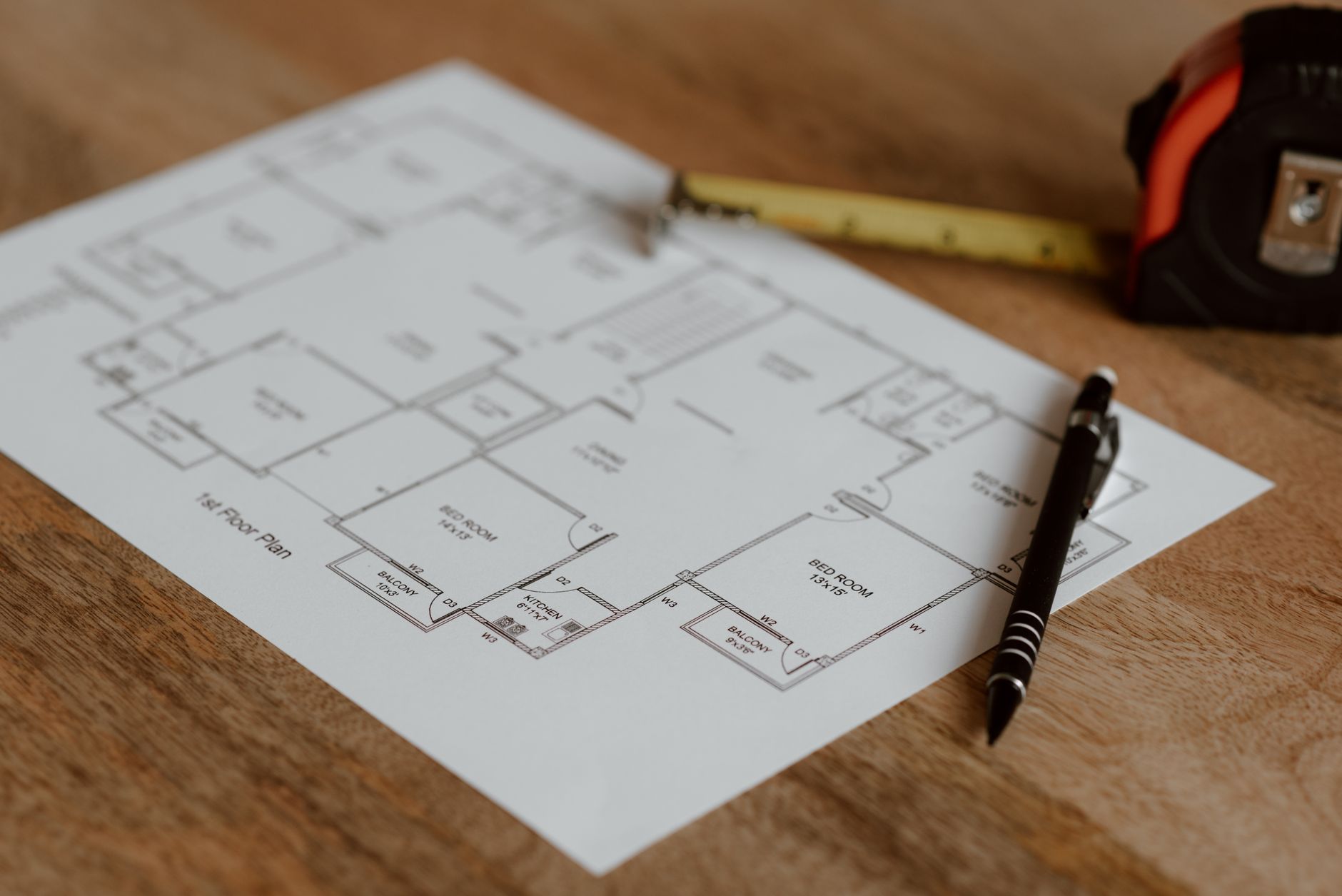
Many renovation disputes begin before anyone lifts a tool. The homeowner thinks the price covers a finished result. The contractor thinks it covers a narrower list of work. Both may be acting honestly, but they are not starting from the same project.
That is the baseline problem. A total price without a shared description of the work leaves too much room for different assumptions. The solution is not another vague quote. It is a renovation scope of work agreement that makes the starting point visible before work begins.
The same price can describe different projects
Imagine two bathroom estimates for $18,000. One includes demolition, debris removal, waterproofing, tile, plumbing fixtures, painting, and permit coordination. The other includes labour and basic materials but excludes fixtures, wall repairs, disposal, and permit fees.
The totals match. The projects do not.
A homeowner comparing only the last line may choose between numbers that cannot be compared fairly. A contractor may also price reasonable work based on assumptions the homeowner never saw. When the missing items appear later, the homeowner experiences them as a cost overrun even if the contractor never intended to include them.
The baseline should answer a simpler question first: What project are we pricing?
What a useful baseline should contain
A practical baseline does not need to predict every hidden condition. It should make the known work and assumptions clear enough for both sides to review. At minimum, it should identify:
- the rooms, systems, or areas included;
- the work to be removed, repaired, supplied, and installed;
- the quality or allowance assumed for important materials and fixtures;
- known exclusions, such as painting, disposal, engineering, or permits;
- access, protection, cleanup, and waste-removal expectations;
- site details that still require professional confirmation;
- a line-item or category-level cost breakdown; and
- how changes will be documented and approved.
Consumer Protection BC says renovation contracts should describe the goods or services, item costs, payment terms, total price, and restrictions or conditions. It also recommends putting changes to timelines or costs in writing so expectations remain clear.
A RenoFiz estimate is not the final renovation contract. It is the working baseline that helps the homeowner and contractor reach that later agreement with fewer unanswered questions.
Assumptions are part of the price
Every early estimate contains assumptions. The problem is not that assumptions exist. The problem is when they remain invisible.
A flooring estimate may assume the subfloor is sound. A kitchen estimate may assume the electrical panel has capacity. A window estimate may assume the opening does not need structural repair. A water-heater estimate may assume the existing vent or gas line can be reused.
If those assumptions are written down, the contractor can check them during the site visit. If one is wrong, the reason for the change is visible. Without that record, the revised price can feel arbitrary because there is nothing specific to compare it with.
Good planning does not eliminate uncertainty. It labels uncertainty before it becomes a surprise.
The site visit should test the baseline, not erase it
A real professional still needs to inspect the home. Photos and homeowner answers cannot confirm everything behind walls, under floors, inside panels, or along concealed piping. The contractor must verify measurements, access, code requirements, material conditions, and trade needs before finalizing the work.
But professional confirmation should not restart the project from zero. The approved baseline gives the site visit a purpose:
- Confirm what is already understood.
- Identify which assumptions are correct.
- Explain any necessary change in scope.
- Update the price, schedule, or exclusions before work proceeds.
This distinction matters. A baseline is not a guaranteed price. It is a shared reference that makes professional revisions easier to understand.
Changes become explainable instead of mysterious
Renovations change. A wall can hide water damage. A discontinued fixture may need a substitute. The homeowner may ask for additional work after seeing the space opened up. None of those changes automatically means the original planning failed.
The important question is whether the change can be traced back to the agreed starting point.
A clear change should state:
- what new condition or request was identified;
- which part of the baseline it changes;
- the added or removed work;
- the price and schedule effect; and
- who approved it and when.
That protects both sides. The homeowner can see why the project changed. The contractor can show that the added work was not included in the original scope.
The RenoFiz advantage: one approved starting document
Calling three contractors often produces three different conversations. Each person asks different questions, assumes different finishes, and organizes the price differently. More quotes do not create clarity when each quote describes a different project.
Chris, RenoFiz's AI project assistant, begins by asking contractor-style questions about the homeowner's actual project. The homeowner can add photos, existing conditions, material preferences, access details, and known constraints. RenoFiz then organizes those details into a scoped, line-item estimate with visible assumptions.
The homeowner reviews that estimate before requesting a contractor. Nothing is sent to multiple contractors, and the homeowner can stop after seeing the estimate. If the homeowner wants to move forward, RenoFiz matches the project with one vetted contractor who receives the same approved scope and pricing baseline.
The contractor then reviews the home and confirms final scope, site conditions, schedule, and price. The professional is not being asked to accept an AI number without inspection. The professional is starting with the same project information the homeowner approved.
One baseline improves the conversation on both sides
For the homeowner, the baseline provides a way to ask specific questions:
- Is disposal included?
- What material allowance did we assume?
- Who handles the permit?
- Which repairs remain uncertain until demolition?
- What changed between the estimate and the final price?
For the contractor, it reduces time spent reconstructing the homeowner's needs from scattered messages. It also gives the contractor a clear place to correct an assumption, identify missing work, or explain why a site condition changes the project.
The goal is not to make the contractor agree with every early detail. The goal is to make agreement and disagreement specific before the homeowner commits.
What the baseline cannot promise
A baseline cannot reveal concealed damage, replace engineered drawings, issue permits, confirm code compliance, or override licensed-trade judgment. It cannot guarantee the final price or prevent every change.
It also does not replace a proper written contract. Before work starts, the homeowner and contractor should confirm the final scope, total price or pricing method, payment schedule, timeline, permits, insurance expectations, change process, and other project terms appropriate to the job. Legal advice may be appropriate for larger or complex projects.
The baseline solves a narrower but important problem: it prevents the first serious contractor conversation from beginning with two different versions of the project.
The bottom line
Homeowners and contractors do not need perfect certainty before work starts. They need a shared starting point.
A useful renovation scope of work agreement makes the included work, exclusions, allowances, assumptions, and unresolved conditions visible. A professional can then verify the home and revise the project against that record. If something changes, both sides can see what changed and why.
RenoFiz creates that baseline before contractor matching. You review the scoped estimate first, decide whether to request a professional, and stay in control of the handoff.
Start with the same project
Tell Chris what you want to repair or renovate. Review the itemized estimate and assumptions before deciding whether to request one contractor.
What's your home project?
Get an estimate, then choose to connect with pros