Asbestos in Vancouver Homes: What to Know Before Renovating
Get an estimate in minutes
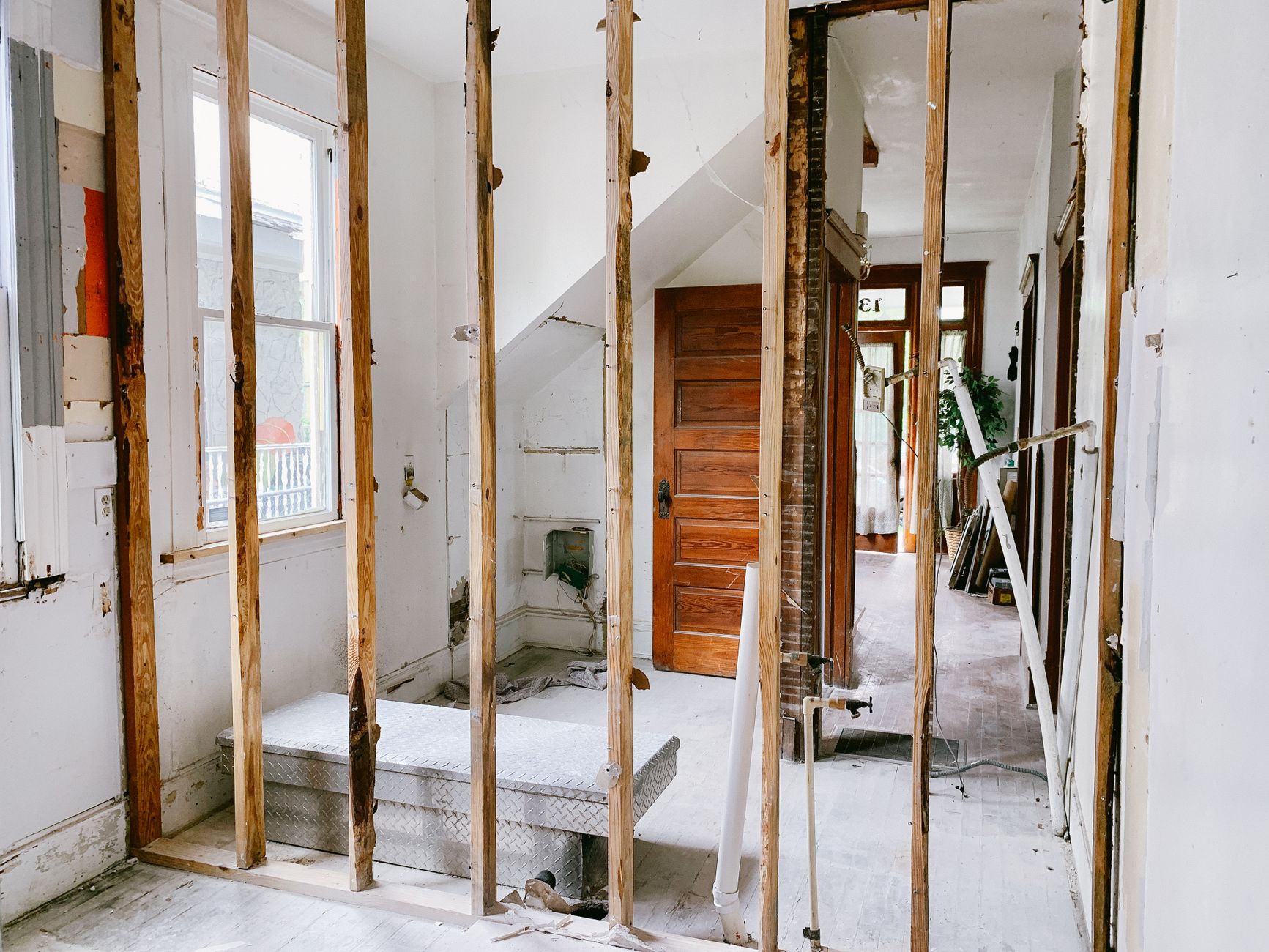
Renovating an older Vancouver home can expose materials that have been hidden for decades. Here's when asbestos testing may be needed, what not to disturb, and how RenoFiz helps build the right scope and connect you with the right specialist.
Renovating an older Vancouver home can expose materials that have been hidden for decades. Before you remove flooring, open a wall, scrape textured ceilings, or replace old insulation, it is worth asking whether asbestos could be present.
You cannot confirm asbestos from a photograph or by looking at a material. The practical goal is not to panic or assume every old surface is hazardous. It is to identify what the project will disturb, arrange professional testing when appropriate, and include any required abatement in the scope before regular renovation work begins.
RenoFiz helps homeowners organize that process. From the age of the home, planned work, descriptions, and photos, it can flag where testing may belong in the project, build a conditional testing or abatement phase into the estimate, and connect the approved plan with the appropriate professional.
Quick answer: test before disturbing suspect materials
WorkSafeBC says asbestos was widely used as a building material in British Columbia until the early 1990s and may be present in many parts of older buildings. It also says you cannot determine whether a material contains asbestos just by looking at it.
If your renovation could drill, cut, sand, scrape, remove, or break an older material, stop before disturbing it and ask a qualified asbestos professional whether a survey or sample testing is needed. Health Canada recommends professional testing before renovating or remodelling when asbestos may be present.
This is especially important because asbestos fibres can become airborne when asbestos-containing materials are disturbed. Materials that are intact, sealed behind walls or floors, isolated, or tightly bound and in good condition do not necessarily create the same exposure risk as materials being cut or removed. The project plan—not age alone—determines what needs attention.
Where asbestos may be found in an older home
Health Canada lists several older building materials that may contain asbestos, including:
- cement and plaster
- floor and ceiling tiles
- roofing felt, shingles, and tar paper
- drywall, putty, caulking, sealants, and spackling
- some paints and surface treatments
- siding
- insulation, including insulation around pipes and hot-water tanks
- vermiculite-based insulation in walls or attics
A material appearing on this list does not prove it contains asbestos. A newer material is not automatically suspect simply because it resembles an older product. The homeowner's task is not to identify fibres by sight; it is to show the professional what will be disturbed and provide any available information about the building and past renovations.
Take wide and close photos without breaking, lifting, or scraping the material. Record the approximate age of the home, the room, the planned work, and whether the material is damaged. If previous testing or renovation records exist, keep them with the project information.
When asbestos testing may affect the renovation plan
Testing becomes relevant when planned work could disturb suspect material. Common examples include:
- removing old vinyl flooring or floor tile
- sanding or demolishing drywall and joint compound
- scraping textured ceilings or old surface coatings
- opening walls around older pipe or duct insulation
- replacing roofing, siding, or cement products
- disturbing vermiculite insulation
- carrying out demolition in a home built before asbestos use declined
Do not collect your own sample unless a qualified professional has specifically advised and instructed you to do so. Cutting a piece from a suspect material can create the exposure the testing was meant to prevent. WorkSafeBC's guidance is direct: if asbestos is suspected, do not touch or move it, stop work, and have a qualified professional complete the assessment.
The survey or testing scope should match the renovation. A kitchen project and a whole-home demolition do not expose the same materials. Tell the professional exactly which floors, walls, ceilings, fixtures, or systems are expected to be altered so the assessment covers the work area.
What happens if asbestos is found
A positive result does not automatically mean every asbestos-containing material in the home must be removed. Health Canada notes that materials left undisturbed, sealed behind walls or floorboards, isolated, or tightly bound and in good condition may not pose a significant health risk. The appropriate response depends on the material, its condition, its location, and whether the project will disturb it.
When removal or other asbestos abatement is required, use properly qualified professionals. As of January 1, 2024, asbestos abatement contractors must be licensed to operate in British Columbia, and workers performing asbestos abatement must hold the required WorkSafeBC certificates. WorkSafeBC maintains a registry of licensed asbestos abatement contractors.
WorkSafeBC: Asbestos training, certification and licensing
The regular renovation should not simply continue around an unresolved asbestos hazard. The project sequence may need to become:
- Define the areas and materials the renovation will disturb.
- Complete the appropriate survey or testing.
- Review the results and professional recommendations.
- Complete licensed abatement when required.
- Obtain any required clearance before other trades enter the affected area.
- Continue with demolition, repairs, and finishes.
That sequence affects the schedule, access, and budget. Planning it before contractor mobilization is far easier than stopping work after demolition has already started.
How RenoFiz turns the risk into a planned contingency
Most homeowners do not know which old materials need testing, which specialist to call first, or how asbestos work changes the rest of a renovation. RenoFiz helps establish that starting point before the professional handoff.
RenoFiz's AI project assistant asks about the home's age, the rooms involved, the materials being removed, and the planned demolition. It reviews the descriptions and photos you provide and can identify where asbestos testing should be considered before ordinary trades begin. It then builds an itemized starting estimate and Scope of Work that separates confirmed renovation work from conditional testing and abatement.
For example, a flooring replacement estimate can include a testing checkpoint before removal of older vinyl tile. The abatement phase remains conditional until a qualified professional reviews or tests the material. If testing does not find asbestos, that phase can be removed. If asbestos is confirmed and will be disturbed, the plan already shows that licensed abatement must come before flooring installation.
RenoFiz is free to start, and you can stop after reviewing the estimate. No professional receives the project until you approve the baseline and ask to continue. The project scope then determines whether the first connection should be an asbestos professional, one renovation trade, or a multi-trade crew. The selected professional receives the same project details, photos, assumptions, and estimate, then verifies the site and finalizes the required work, schedule, and price.
RenoFiz does not identify asbestos from an image or replace laboratory analysis, an asbestos survey, or regulated expertise. Its value is turning an uncertain risk into a visible decision point, a sequenced scope, and the appropriate professional handoff instead of letting the issue appear halfway through demolition.
Questions to resolve before work starts
Before anyone disturbs a suspect material, make sure the project team can answer:
- Which materials and areas will the renovation disturb?
- Has the assessment covered the complete work area?
- Who collected and analyzed any samples?
- What does the report recommend for materials that will remain and materials that will be disturbed?
- If abatement is required, is the contractor licensed in British Columbia?
- What clearance or documentation is required before other trades return?
- How will testing or abatement affect access, sequence, schedule, and price?
Do not treat a verbal "it should be fine" as a substitute for the appropriate professional assessment. At the same time, do not authorize broad removal simply because a house is old. A focused plan tied to the actual renovation avoids both shortcuts and unnecessary work.
The bottom line
Asbestos risk is manageable when it is addressed before materials are disturbed. You do not need to identify it yourself, and you should not start cutting or collecting samples to find out. Define the planned work, involve a qualified professional when suspect materials may be affected, and place testing or abatement before ordinary demolition and finishing trades.
Start with RenoFiz to organize that path. It helps identify where the question belongs, creates a structured estimate with the right contingency, and carries the approved scope into the appropriate professional connection.
Start with control
Describe your renovation to RenoFiz, including the age of the home, the areas you plan to alter, and any photos or records you already have. RenoFiz will build the likely scope and estimate, show where professional asbestos assessment may be needed, and help connect the approved plan with the right specialist or renovation team.
Ready to get your project moving?
Our AI assistant helps you understand the work and likely cost. If you decide to connect with a contractor, they start with your project details and estimate.