A Toilet That Keeps Running: Repair Clues vs. When to Plan a Replacement
Get an estimate in minutes, no commitments
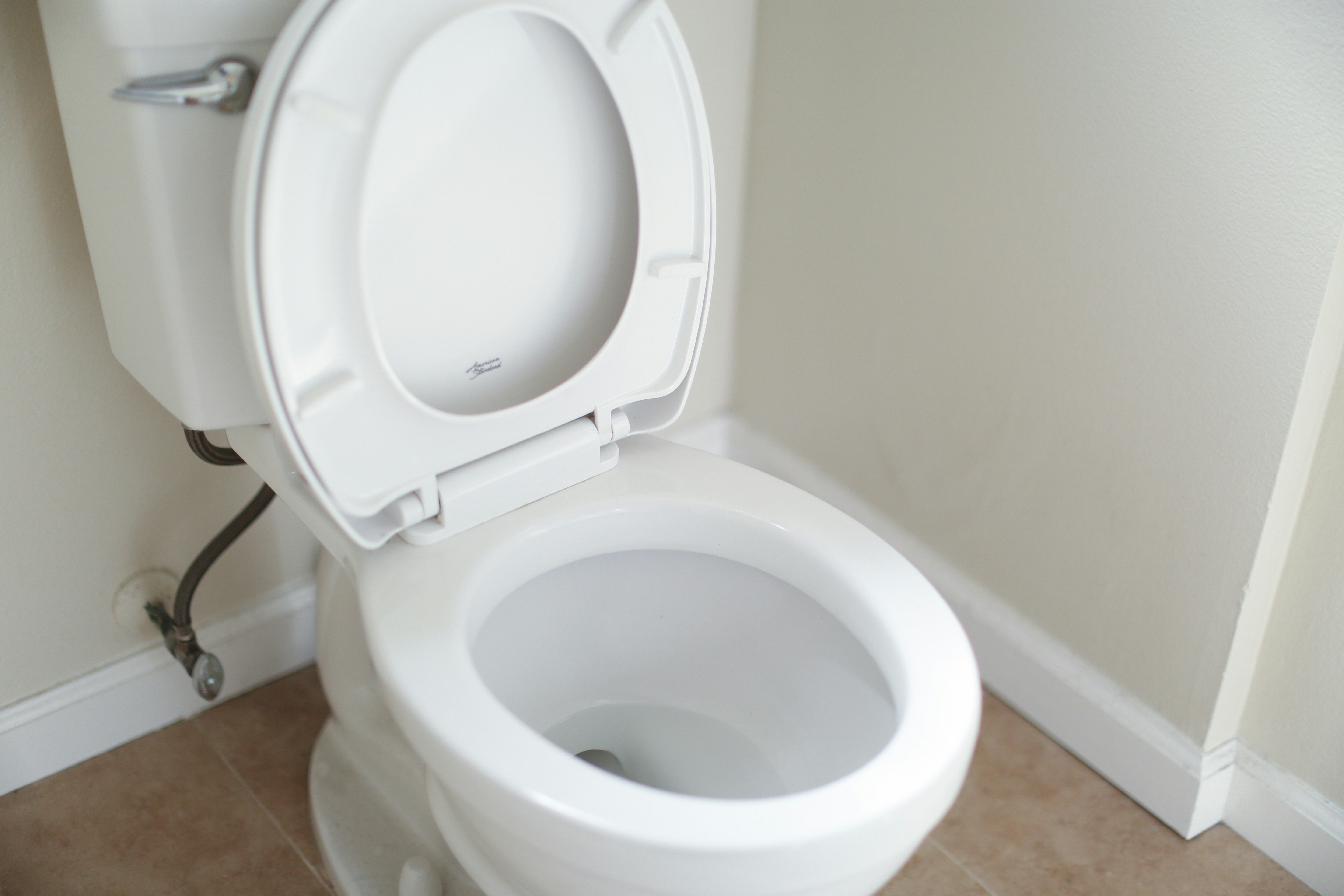
A toilet that keeps running can feel like a small annoyance until it becomes a repeated interruption, a noisy bathroom, or part of a larger fixture update.
A toilet that keeps running can feel like a small annoyance until it becomes a repeated interruption, a noisy bathroom, or part of a larger fixture update. The useful first step is not to decide immediately between a minor repair and a full replacement. It is to describe the symptom clearly enough for the next assessment to start in the right place.
A toilet may run continuously, refill at intervals, make a noise after flushing, or behave differently only sometimes. Those patterns can guide a professional conversation, but they do not let a homeowner confirm the internal condition or select a repair from a photo alone.
This guide helps you record the evidence, understand when replacement planning may be worth discussing, and avoid turning a plumbing question into a larger renovation before the facts support it.
Describe what the toilet is doing
Start with a short history. Does the toilet run all the time or only after it is flushed? Does it stop if you wait, move a control, or avoid using it? Is there water visible outside the fixture, softness in nearby flooring, movement at the base, or damage around the toilet? Has the toilet been repaired before, or is it part of an older bathroom that is already being updated?
You are not trying to name a failed part. The purpose is to give the professional a pattern: when the issue occurs, what you observed, and whether there are signs that the work might extend beyond the tank.
Photos or a short video can be useful when taken safely. A wide bathroom photo, an image of the fixture, and a clip of the sound or refill pattern can make the initial discussion more precise. Do not force components or disassemble the toilet to collect evidence.
Repair question first, replacement question second
Many running-toilet problems can begin as a repair assessment. A professional can inspect the fixture, confirm the condition of its working parts, and explain whether a focused repair is suitable.
Replacement may become part of the conversation when the fixture has repeated problems, is already part of a bathroom refresh, no longer meets the homeowner’s needs, or has conditions that make repair less practical. That does not mean every running toilet should be replaced. It means the choice should be made after the problem and the wider project context are understood.
Ask for a clear distinction between what is known from the visit, what is a repair option, what would make replacement sensible, and what work would need to be coordinated if the fixture changes. A useful answer should not turn uncertainty into a guaranteed repair or a predetermined renovation.
Watch for conditions that change the scope
The toilet itself is not the only relevant area. If there is visible water outside the fixture, a soft or damaged surrounding surface, movement at the base, or a history of recurring problems, tell the professional before the visit.
Those signs do not prove the cause or the extent of any damage. They do mean the assessment may need to consider the connection, the floor around the fixture, or prior moisture before a finish repair is planned. The right sequence is to verify the plumbing condition and affected materials before closing up, refinishing, or installing new finishes.
For a simple verified repair, the scope may remain narrow. For a bathroom project with several related changes, it may be more useful to organize the work as a coordinated plan rather than a series of disconnected calls.
Keep the homeowner role simple
You do not need to diagnose the toilet, decide which internal component is responsible, or know whether one trade or several will be needed. Your role is to describe the symptom, share the history, flag visible conditions, and explain what outcome you want.
That outcome may be “make the toilet work reliably,” “understand whether repair is worthwhile,” or “plan a replacement as part of a bathroom update.” Each is a valid starting point. The site visit determines the confirmed work.
How RenoFiz helps turn the symptom into a project baseline
RenoFiz begins with the homeowner’s actual question rather than asking them to arrive with a finished repair plan. RenoFiz’s AI project assistant can ask about the running pattern, previous repairs, visible water or floor conditions, the age and goals of the bathroom, and the photos you can safely provide.
It organizes the likely work, dependencies, and unresolved questions into a structured Scope of Work and itemized starting estimate. You review and approve that baseline before any professional handoff.
The approved scope then helps RenoFiz select one appropriate professional or a multi-trade crew when the project genuinely extends beyond a fixture repair. The selected professional receives the same project information and estimate, verifies conditions on site, and finalizes the required work, schedule, and price.
What an online starting point cannot decide
A description or photo can make the first conversation more useful, but it cannot replace on-site inspection. RenoFiz does not remotely diagnose the toilet, determine the condition of concealed connections, or decide whether surrounding materials need repair.
The purpose of the starting plan is clarity: it captures the symptom, makes the repair-versus-replacement decision explicit, and carries the right questions into a professional visit.
The bottom line
A toilet that keeps running does not automatically mean a full replacement, and a running symptom alone does not confirm a minor repair. Record the pattern, mention any visible conditions around the fixture, and ask for an assessment that separates confirmed repair work from replacement options.
Start with RenoFiz to describe the issue and build a clearer project baseline. Share the running pattern, any previous repairs, what you can see around the fixture, and your goal for the bathroom. RenoFiz helps turn that starting point into a scope that the appropriate professional can verify and complete.
Want a custom estimate for your project?
Describe the work and get a custom estimate of the likely scope and cost in minutes. A local professional confirms the final details before work begins.