Water Under the Kitchen Sink: What to Document Before You Call a Plumber
Get an estimate in minutes, no commitments
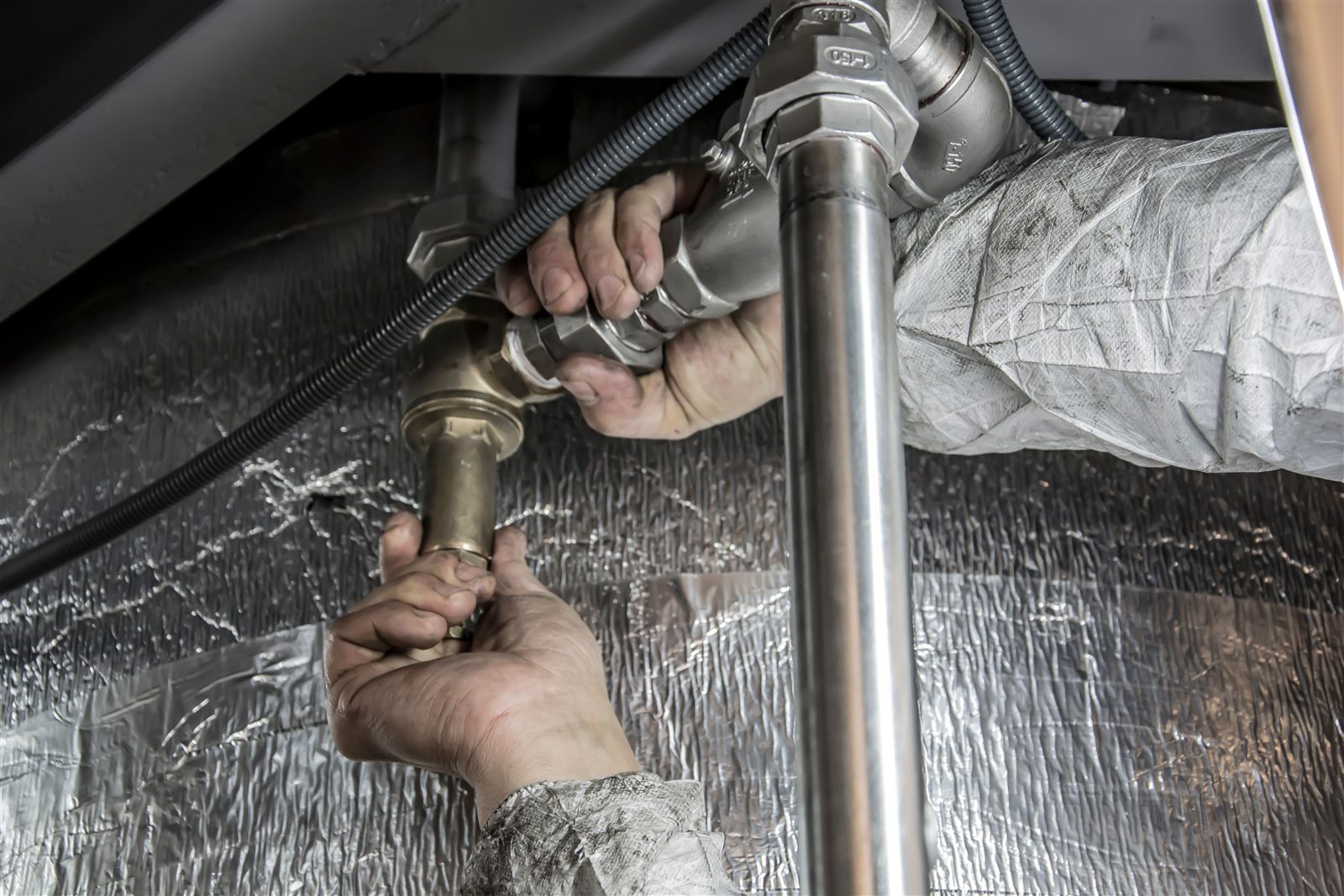
Finding water under a kitchen sink creates two urgent questions: where is it coming from, and what else may have been affected?
Finding water under a kitchen sink creates two urgent questions: where is it coming from, and what else may have been affected? Before choosing a repair, collect a clear description of the symptom so the work can start with the source rather than the visible damage.
The cabinet floor, a damp towel, or a swollen panel may be the first thing you notice. They do not, on their own, tell you whether the water is connected to a supply connection, drain use, a fixture, an appliance connection, or a past event that is no longer active.
You do not need to solve that question yourself. You do need a safe, useful record of what you found.
First, protect the area without creating a new problem
If water is actively spreading, prioritize stopping further damage and getting urgent help when needed. If it is safe to do so and you know the correct local shutoff, stop using the affected fixture while you arrange assessment. Do not force seized valves, take apart connections, or treat a wet cabinet as proof that one specific component failed.
Move items away from the wet area, note any visible damage, and avoid using electrical equipment near standing water. Once the immediate situation is stable, the most useful next step is a simple evidence record.
Record location, timing, and what triggers the water
A plumber or project planner can work faster with a short timeline than with a guess about the cause. Note where water is visible: at the back of the cabinet, beneath a connection, around the drain, near an appliance hose, or across the cabinet base.
Then note when it appears. Does it show up while the faucet is running, only after the sink drains, after a dishwasher cycle, or when nothing is being used? Is the water clean, soapy, or associated with a drain use? Has it happened once, intermittently, or every time the sink is used?
Take wide photos of the cabinet and close photos of the visible area without moving or disconnecting plumbing. Include the fixture, drain area, and any appliance connections that are easy to see. If there is cabinet, flooring, or wall damage, photograph that separately.
Separate the source question from the restoration question
Water can affect more than the connection that first needs attention. A cabinet base may swell, a finished floor may be affected, or moisture may have reached an adjacent surface. Those conditions are important, but they should not decide the repair sequence.
The first question is what is causing water to appear and whether the area is dry after that source is addressed. The next question is what materials need repair, replacement, drying, or further assessment. Treating those as separate decisions helps avoid replacing a cabinet panel or repainting a surface before the moisture issue is understood.
This is also why “replace the faucet” or “fix the drain” can be too narrow as an initial request. The final scope may be simple. It should be based on what the professional confirms on site.
Give the first visit a useful starting scope
When you call, share the location, timing, photos, whether the sink or dishwasher was in use, and any work that happened recently. Mention prior repairs or replacement work under the sink if you know it.
Ask the professional to explain what they are checking first, what conditions could change the scope, and whether any damaged material should be assessed after the source is addressed. This keeps the conversation focused on evidence instead of asking for an unsupported fixed answer before anyone sees the area.
A good starting scope can include confirmed work, a list of unknowns, and conditional next steps. That is more useful than pretending that every wet cabinet has the same repair.
How RenoFiz helps organize an under-sink problem
RenoFiz helps homeowners begin with the visible symptom while keeping the real project open to verification. RenoFiz’s AI project assistant can ask about when the water appears, which fixtures or appliances are involved, what is visible, what has already been repaired, and what photos you can safely provide.
It turns that information into a structured Scope of Work and itemized starting estimate that separates likely first steps from conditions that need a site visit. You review and approve the baseline before a professional is connected.
The approved scope then guides the selection of one appropriate professional or a multi-trade crew if the verified work reaches beyond the initial plumbing concern. The selected professional receives the same details, photos, assumptions, and estimate; they inspect the site and finalize the required work, schedule, and price.
The limit of photos and online advice
A photo can show where water is visible. It cannot reliably establish every source, confirm hidden damage, or replace an on-site assessment. RenoFiz does not diagnose plumbing failures remotely, and it does not replace urgent help when water is actively causing damage.
Its role is to make the first description more complete, preserve the right questions, and prevent the homeowner from having to guess the correct trade or the entire scope before asking for help.
The bottom line
Water under a kitchen sink is a source-first problem. Document where and when it appears, protect the area, and avoid deciding on cosmetic repairs before the underlying water path has been assessed.
Start with RenoFiz to describe what you found and create a clearer baseline. Share the affected fixture, the timing, visible damage, recent work, and safe photos. RenoFiz helps organize the likely work and unknowns so the appropriate professional can verify the condition and take the next step.
Want a custom estimate for your project?
Describe the work and get a custom estimate of the likely scope and cost in minutes. A local professional confirms the final details before work begins.