Water Heater Replacement Cost Vancouver: Tank vs Tankless
For 2026 planning in Vancouver, many conventional tank replacements fall around $1,200 to $2,800 installed, while tankless projects often begin around $3,500 and can exceed $6,500 when the home needs supporting upgrades.
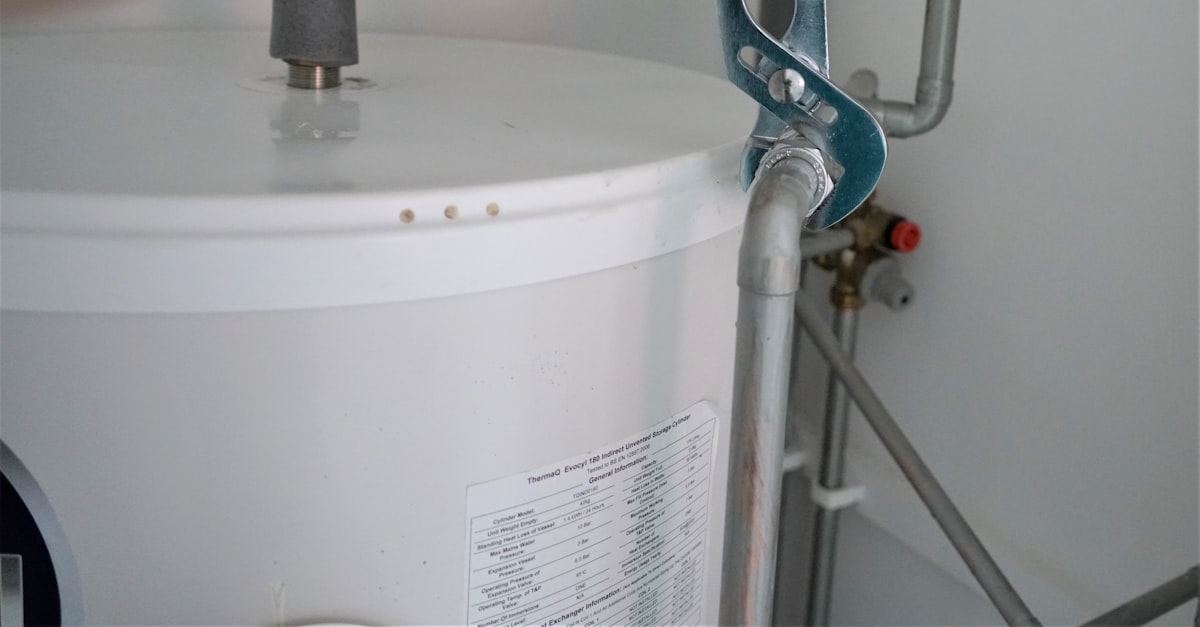
A failed water heater turns a planning decision into an emergency. You need hot water back, but the first price you hear may combine the appliance, installation, venting, permit work, disposal, and repairs in one unexplained total.
This 2026 Vancouver guide separates those pieces and explains when a conventional gas tank or tankless system may make sense. It also shows how RenoFiz creates one itemized starting point before matching the project with a contractor.
A realistic Vancouver starting range
For a straightforward replacement in the same location, current British Columbia market references place many installed conventional hot-water tanks around $1,200 to $2,800. A tankless installation commonly starts around $3,500 and can reach $6,500 or more, especially when the project needs larger gas piping, new venting, condensate drainage, electrical work, or changes to the installation location.
These are planning ranges, not a quote. A basic like-for-like tank swap is not the same project as converting an older storage tank to a high-output tankless unit. The equipment price matters, but the work around it often explains the larger difference.
What the installed price should cover
A useful water-heater estimate should separate the unit from the work needed to install it safely. Ask whether the total includes:
- the water heater and any manufacturer-supplied controls;
- delivery and removal of the old unit;
- water, gas, and vent connections;
- drain pan, expansion control, shut-off valves, and required fittings;
- condensate drainage for a condensing model;
- electrical connections or a nearby receptacle where required;
- permit fees and inspection-related work;
- startup, testing, and homeowner instructions; and
- repair of walls or finishes affected by new venting or piping.
Two totals can differ because one includes this work and the other assumes the existing setup can be reused. The cheapest number is not necessarily cheaper if important work appears later as an extra.
Gas tank: lower upfront cost and familiar performance
A conventional gas storage tank keeps a set amount of hot water ready. For many Vancouver homes, replacing an existing tank with a similar model is the simplest path because the location, gas supply, water connections, and vent route may already exist.
The advantages are straightforward: lower purchase and installation cost than many high-efficiency alternatives, familiar operation, and the ability to serve several fixtures from stored hot water. The trade-offs are the space used by the tank, standby heat loss, and a shorter expected life than many tankless systems.
FortisBC's homeowner guidance says storage tanks are generally cheaper to purchase and install, while household size, bathroom count, efficiency, fuel source, space, and venting should all influence the choice.
A larger tank is not automatically better. The right size should match the household's peak demand without paying to keep unnecessary water hot.
Tankless: higher installation cost, smaller footprint
A tankless water heater heats water when a fixture calls for it. It can free floor space and avoid storing a full tank of hot water. A properly selected system can deliver long hot-water runs, but it still has a maximum flow rate. Several showers and appliances running together may exceed what an undersized unit can supply.
The conversion cost is where homeowners are often surprised. FortisBC notes that some older homes may need gas piping with more capacity for the short, high demand of a tankless unit. High-efficiency models may also need sidewall venting, a condensate drain, and electrical power. Those are project costs, not optional accessories.
Tankless can be a strong fit when floor space matters, hot-water demand is well understood, and the home can support the installation without disproportionate upgrades. It is less compelling when a working vent route, gas line, or utility area must be extensively rebuilt only to remove the tank.
Permits and licensed work belong in the estimate
Gas appliance work is regulated. Technical Safety BC states that gas installation permits are required for licensed contractors installing regulated gas equipment or systems. Its guidance also identifies replacing gas appliances, including water heaters, as permit work. A tank-to-tankless conversion is not merely an appliance swap because the input, venting, and piping can change.
Check the current permit path with Technical Safety BC and confirm that the contractor is responsible for the application and closeout.
Do not treat permit work as paperwork to sort out after installation. It should be visible in the project plan before you approve the work.
Check the third option before deciding
Gas tank versus tankless is not the only decision. If the existing unit is electric, a heat-pump water heater may be worth evaluating. It uses electricity differently from a standard resistance tank and needs suitable space, air volume, drainage, and noise planning.
Vancouver homes are served by BC Hydro, not FortisBC electricity, so the applicable program is BC Hydro's heat pump water heater rebate, which as of July 2026 offers up to $1,000 for eligible residential customers replacing a standard electric storage tank with a qualifying heat-pump water heater installed by a licensed contractor. Eligibility depends on the existing system and customer conditions, so verify the live requirements before buying equipment.
A rebate should not decide the project by itself. Compare the complete installed cost, household demand, operating conditions, and available space.
The RenoFiz advantage: compare one complete project
Water-heater pricing becomes confusing when each contractor assumes something different. One may price a basic tank swap. Another may include a new vent. A third may assume a tankless conversion with gas-line upgrades. The totals are not comparable because the projects are not the same.
Chris, RenoFiz's AI project assistant, asks about the current unit, fuel, capacity, age, location, household demand, photos, venting, gas supply, drainage, and the homeowner's preferred replacement. RenoFiz turns those details into a line-item estimate that makes the assumptions visible.
You review and approve the estimate before contractor matching. RenoFiz then matches the project with one vetted contractor who receives the same approved scope and cost baseline. The site visit confirms appliance sizing, existing connections, venting, permit needs, and final pricing.
That process does not replace a licensed contractor's inspection or guarantee that hidden conditions will not change the price. It gives both sides the same starting document, so a change can be explained against what was originally approved.
The bottom line
For 2026 planning in Vancouver, many conventional tank replacements fall around $1,200 to $2,800 installed, while tankless projects often begin around $3,500 and can exceed $6,500 when the home needs supporting upgrades.
Choose a tank when a lower upfront cost, straightforward replacement, and stored capacity fit the household. Consider tankless when space, efficiency, and longer hot-water runs justify the extra installation work. If the current unit is electric, check whether a heat-pump water heater fits the home and current rebate rules.
Most importantly, compare complete projects rather than appliance prices. Equipment, labour, venting, piping, drainage, electrical work, permits, removal, and finishing should be visible before you decide.
RenoFiz is free to start. Your project is not sent to multiple contractors, and you decide whether to request a contractor after reviewing the estimate.
Start with control
Describe your water-heater project to RenoFiz and get an itemized budget baseline before contractor matching.
What's your home project?
Get an estimate, then choose to connect with pros